







Search Results for: espresso flavor

Espresso Flavor Characteristics | How to Taste Espresso? Which Coffee Beans Are Used to Make Italian Coffee? How to Make Americano with Espresso?
Many people think espresso is very bitter, but actually you just haven't learned how to taste espresso. Front Street Coffee (FrontStreet Coffee) teaches you 5 steps to easily savor the charm of espresso. Espresso, in Italian, means "fast," that is, [more…]

Espresso Blend Coffee Bean Recommendations | How to Taste a Cup of Espresso? How to Blend an Espresso Coffee Bean That Isn't Sour?
Espresso, which many people also like to call "Espresso," or "Italian-style espresso," or "concentrated coffee." A good espresso will add a good coffee flavor to Italian coffee. If you drink espresso on its own, the taste will be very strong, but there are also quite a few people who just like it [more…]

Analysis of Espresso Tasting Methods and Recommendations for Blend Beans Suitable for Making Espresso
Espresso is the soul of the Italian coffee system—a single small cup can concentrate the essence of a region's flavors. Drawing on the production experience of Front Street Coffee, this article systematically explains the correct way to taste espresso—from cleansing the palate to drinking it down in one go—and provides an in-depth analysis of why espresso requires a blend rather than a single-origin bean. It details the recipe concepts and flavor profiles of Front Street Sunflower Warm Sun espresso beans (Honduras Sherry 6 : Yirgacheffe Red Cherry 4), the Nut Chocolate flavor blend (Yunnan 3 : Brazil 7), and the commercial espresso blend (Colombia 3 : Brazil 6 : Robusta 1), helping coffee lovers find the espresso beans that suit them. [more…]
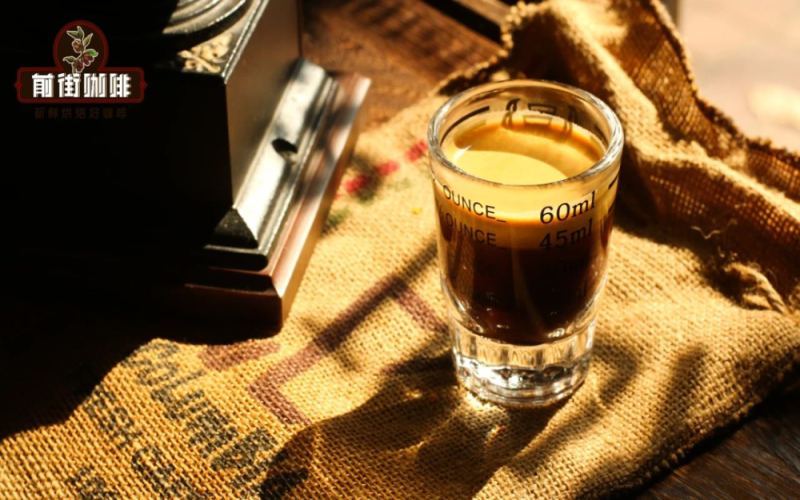
Starbucks Espresso Ordering and Tasting Complete Guide: From Espresso Basics to Four Italian Blend Bean Recommendations
Espresso is the base for many specialty coffee drinks, and Starbucks is no exception. However, Espresso has a strong, heavy flavor that not everyone can easily accept. From the perspective of Front Street Coffee, this article systematically explains how to order Starbucks espresso, the definition and characteristics of Espresso, the logic behind choosing Italian blend beans, and recommends four blend coffee beans suitable for making espresso. In addition, it provides a detailed introduction to three common ways of drinking espresso—drinking it straight, adding milk to make milk-based drinks, and adding water to make Americano—as well as the preparation ratios and extraction parameters for lattes, helping coffee enthusiasts fully master the key points of tasting and making espresso. [more…]
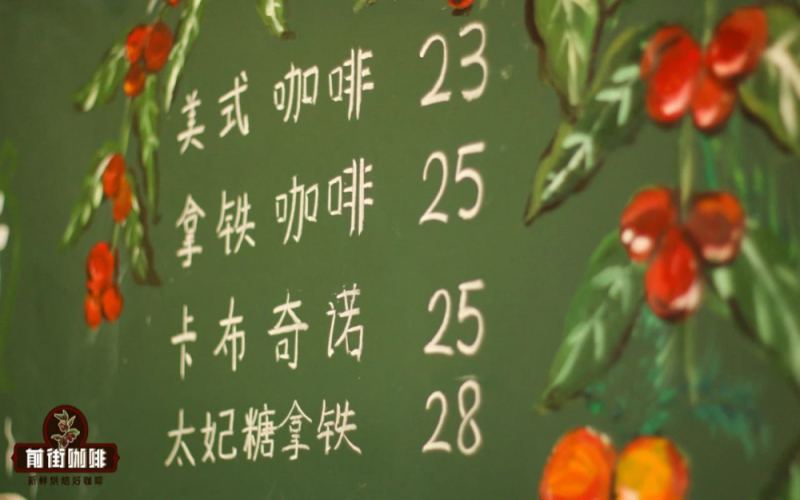
A Comprehensive Guide to Espresso Coffee Varieties: Flavor Differences and Ratios from Espresso to Cappuccino and Latte
Walk into any café, and espresso is almost always the star of the menu. Many people's first reaction when tasting espresso is that it's bitter and intense, but in reality the espresso family is far more than just this one flavor. To find the cup that suits your taste—neither bitter nor astringent—you first need to understand what the common types of espresso drinks actually are. In this article, Front Street Coffee (FrontStreet Coffee) sorts out the most common espresso drinks found in cafés, from the extraction parameters of espresso and the blending logic of coffee beans, to the ingredient ratios and preparation details of Americano, latte, cappuccino, mocha, macchiato, caramel macchiato, and Dirty coffee, explaining one by one their differences and connections, to help coffee lovers understand the espresso system more systematically and find the cup that belongs to them. [more…]
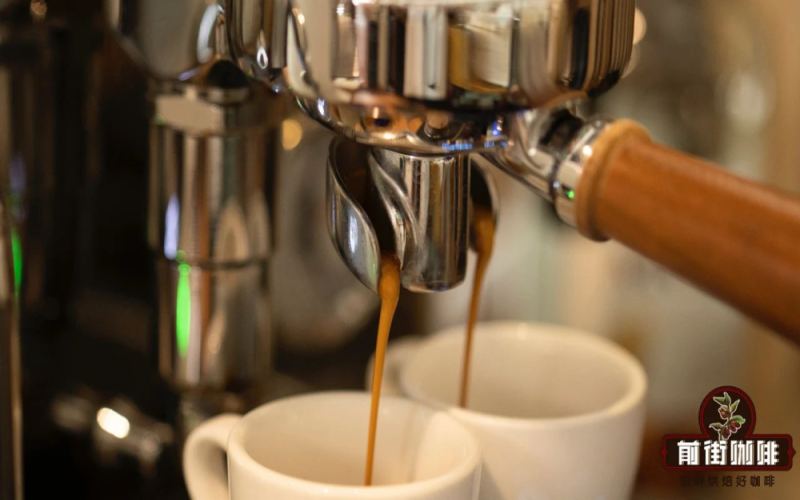
How to drink Espresso | What are the differences between single and double espresso? What is the coffee concentration of espresso? Where do the taste and flavor of espresso come from?
For more specialty coffee knowledge, please follow: Front Street Coffee (Frontsteet Coffee). Espresso is the soul of Italian coffee, commonly known as espresso; as the name suggests, it comes from Italy, with high concentration and a strong taste. A good cup of espresso is like a good base liquor, [more…]
A Complete Guide to the Espresso Family: Ratios, Flavors, and Key Production Points of Espresso Bases and Common Varieties
Italian coffee is far more than a cup of bitter espresso. Starting from Espresso as the core base, adding water, milk, milk foam, chocolate, or caramel gives rise to a rich variety of drinks such as Americano, Latte, Cappuccino, Mocha, Macchiato, Caramel Macchiato, and Dirty. Understanding the ingredient composition, classic ratios, and flavor characteristics of each Italian coffee is the key to finding one that suits your taste. This article takes espresso as its starting point, systematically sorting out the names, ingredient proportions, and preparation details of common Italian coffee varieties found in cafés, and shares Front Street Coffee's specific approach to each drink, helping coffee lovers gain a clearer understanding of the large family of Italian coffee. [more…]
Specialty Espresso Beans Recommendation | What's the Difference in Flavor Between Espresso and Americano? Which Espresso Beans Have Rich Crema and Are Good for Latte Art?
Did you know? Espresso has a rich mouthfeel and intense flavor, which often makes it hard for people to accept, but once you get used to it, you actually find it has a unique charm. Moreover, espresso is also a coffee that tests coffee quality and barista skill. Since espresso is loved by so many people [more…]

Espresso Beans for Beginners | Is There a Big Difference in Taste Between Espresso and Americano? How to Choose High-Quality, Rich Espresso Beans?
Did you know? Espresso has a rich mouthfeel and intense flavor, often making it hard for people to accept, but once you get used to it, you find it has a unique charm. Moreover, espresso is also a coffee used to test coffee quality and barista skills. Since espresso is loved by so many people, [more…]

Common Types of Italian Coffee | What Are the Classic Milk Coffee Recipes? What's the Difference Between a Latte, Macchiato, Cappuccino, and Dirty?
Espresso is a must-have beverage in every café. Many people's first impression of espresso is that it's unbearably bitter. In fact, espresso isn't limited to such bitter shots. If you want an espresso that isn't bitter and suits your taste, the first thing you need to understand is the different types of espresso. Front Street Cof [more…]
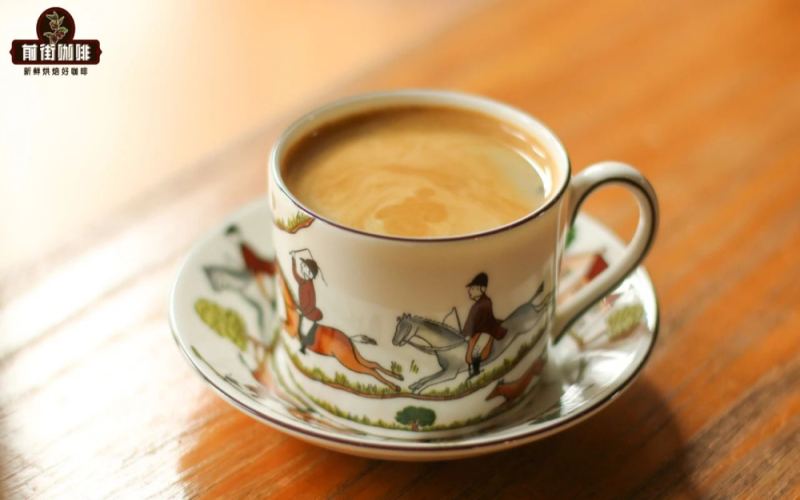
Espresso Blends, SOE, and Single-Origin Coffee | What's the Difference Between Espresso and Americano? Can You Add Sugar to Espresso?
Many friends who are new to coffee are often puzzled by a few questions, such as: what is Americano? What's the difference between espresso and Americano? Which one is more authentic and tastes better? Today, Front Street will answer these one by one for everyone. First, let's clarify a few relationships: What is Americano? Using Esp [more…]
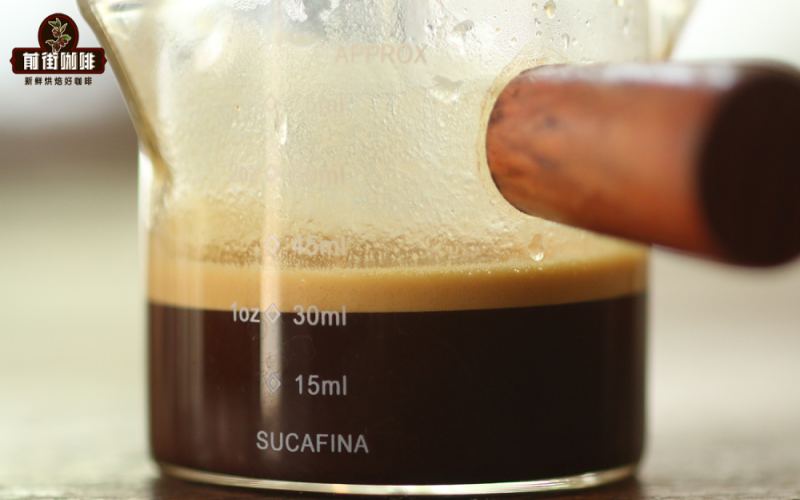
Espresso Flavor Characteristics | How to Properly Drink Espresso? How Much Caffeine Is in Espresso? Recommended Espresso Coffee Bean Brands
For more specialty coffee knowledge, please follow: Front Street Coffee (Frontsteet Coffee). Espresso is the soul of Italian coffee, commonly called Italian-style espresso. As the name suggests, it comes from Italy, with high concentration and a strong taste. A good espresso is like a good base liquor, [more…]
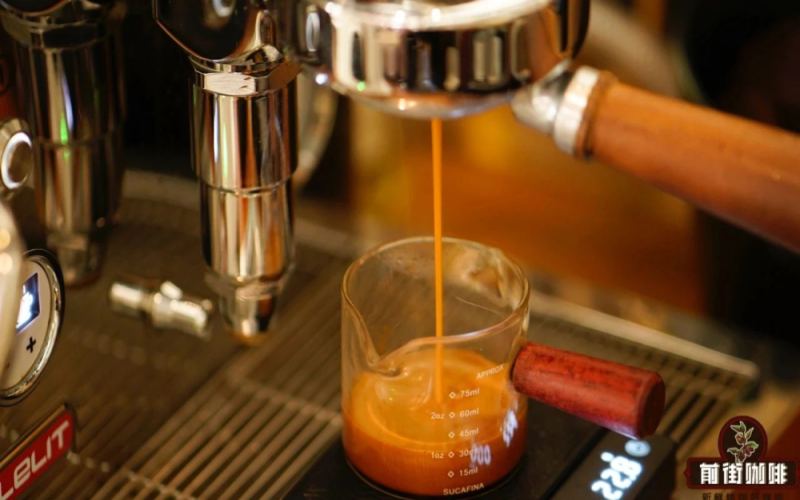
Recommended Coffee Beans for Espresso Extraction | Are Espresso Beans Always Dark Roasted? How Do Blended Beans Taste in Espresso?
Espresso is simply a method of coffee extraction, made using an espresso machine, where hot water under high pressure is forced through the coffee to quickly extract a concentrated shot. Espresso is also called Espresso, or simply Espresso. Many people's first impression is that espresso is strong and bitter, but actually, Front Street tells every [more…]
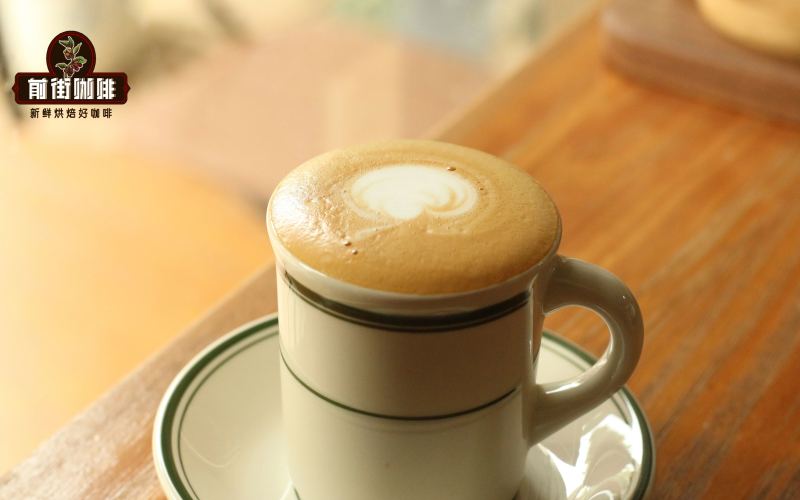
How Much Espresso Is in a Latte? Cappuccino vs. Latte Flavor Differences and Front Street Coffee Espresso Bean Recommendations
Latte and cappuccino are the two most common espresso milk drinks. Both are made from espresso, milk, and milk foam, but they differ noticeably in ratio, foam thickness, and mouthfeel. How much espresso actually goes into a latte? Roughly how much caffeine does it contain? And how should the coffee-to-milk ratio be managed during preparation? This article addresses these questions, while also explaining how to choose espresso beans, extraction parameters, and the key temperature points for steaming milk. It also introduces several Front Street Coffee espresso blends suitable for making lattes, helping coffee enthusiasts create a full-flavored milk coffee at home. [more…]
A Complete Guide to Italian Coffee: Methods and Flavor Differences of Espresso, Americano, Latte, Cappuccino, and Other Common Types
Walk into any café, and espresso is almost always a core option on the menu. When many people first encounter espresso, they often come away with nothing but the impression that it is "bitter," but in reality, the family of espresso-based drinks that has grown out of espresso as a foundation is far richer than one might imagine. From the pure, intense Espresso, to the Americano diluted with hot water, to the latte and cappuccino that blend milk and milk foam, and even the Dirty coffee that has become popular in recent years, each one has its own unique logic of ratios and layers of flavor. This article will systematically sort out the common types of espresso drinks, their preparation parameters, and their flavor characteristics, to help coffee lovers find the cup that suits their own taste. Front Street Coffee (FrontStreet Coffee) will also share the specific preparation methods for each drink for everyone's reference. [more…]
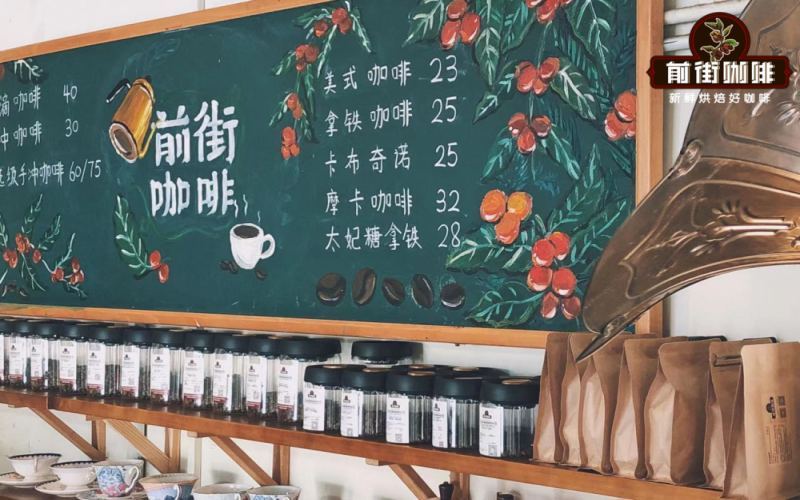
Espresso Flavor Analysis: Is Espresso Bitter, How to Taste It, and a Guide to Choosing Espresso Beans
Espresso is the drink least frequently ordered on its own in coffee shops, and many cafes even keep it hidden off the menu, making it only when a customer specifically asks. This article revolves around several core questions about Espresso: Is it actually bitter? How should you taste it? What makes it unique? Why do most cafes prefer to use espresso blends to make it? At the same time, Front Street Coffee has also put together several espresso bean recommendations suitable for stable extraction, covering a delicate winey type, a slightly acidic and full-bodied type, a balanced rich-aroma type, and a classic full-bodied type, for friends who want to recreate the espresso flavor at home. [more…]
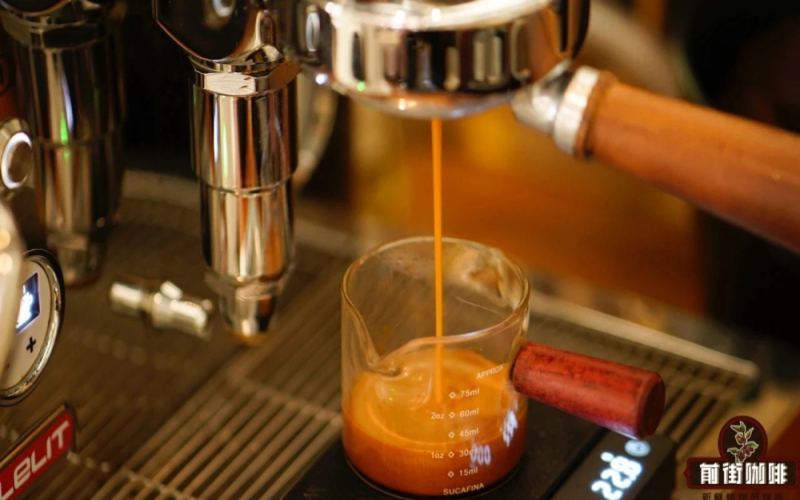
Must Espresso Use Dark Roast Beans? Flavor Differences Between Blends and SOE, and a Guide to Choosing from Front Street Coffee's Six Espresso Beans
Must espresso only be bitter and strong? In fact, a high-quality Espresso can also present rich layers of fruity, floral, spice, or chocolate and caramel notes, and the key lies in choosing the right coffee beans. This article will guide you through the tolerance of espresso for roast levels, explain how blended beans achieve flavor balance through combinations of multiple origins or roast levels, and compare the increasingly popular SOE single-origin espresso in recent years. At the same time, Front Street Coffee recommends four classic espresso blends and one Huakui SOE for you, and shares practical tips on fresh roasting, bean resting, and grinding and storage, helping you find an espresso daily bean suitable for making Americano or latte regularly. [more…]
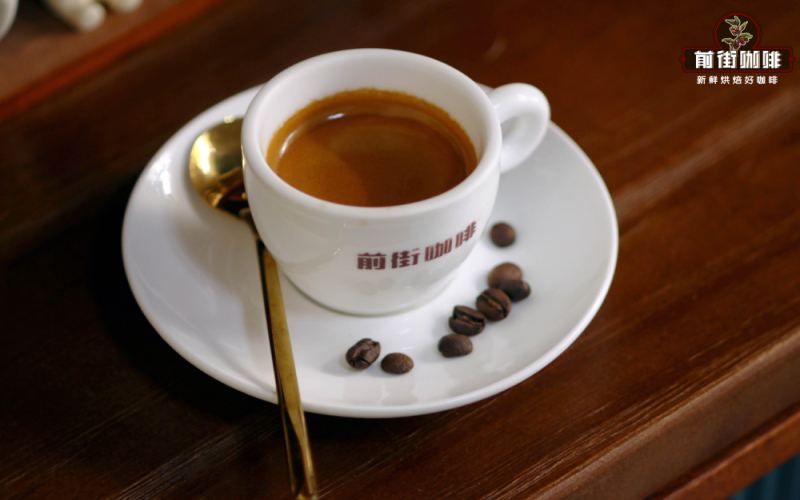
A Complete Guide to SOE Coffee: Definition, Characteristics, Pricing Rationale, Espresso Extraction Parameters, and Americano & Latte Ratios
SOE stands for Single Origin Espresso, and it has become increasingly popular in recent years amid the espresso boom. This article will help you clarify the definition and characteristics of SOE, explain why it costs more than ordinary espresso, and analyze its advantages of pure flavor and clear layers, as well as its difficulties such as the challenge of nailing the roast level and obvious batch variations. It will also introduce the blending logic of espresso blends, and include espresso extraction parameters for blends such as Front Street Strawberry Candy and for Huakui SOE and Ethiopian Konga SOE, along with the water-to-coffee and milk-to-coffee ratios for making Americanos and lattes with SOE, helping you consistently produce a good cup of coffee at home. [more…]
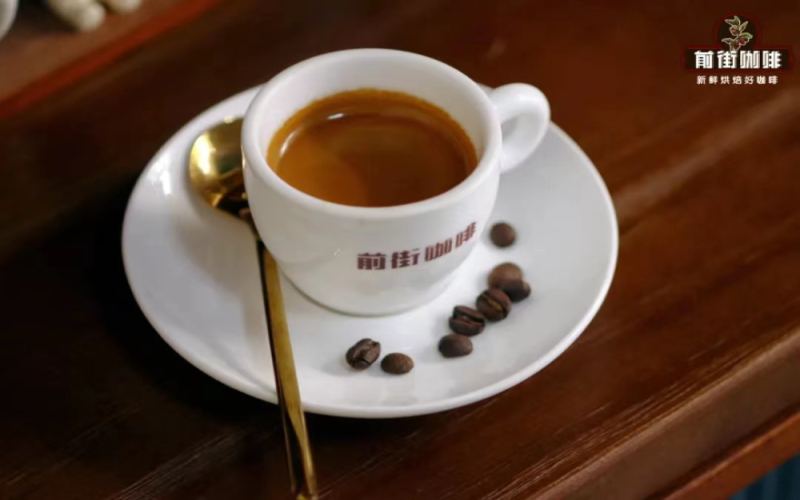
How to Determine the Espresso Coffee Grounds-to-Water Ratio? A Complete Analysis of Four Front Street Coffee Espresso Blends: Flavors and Brewing Methods
Want to make a decent espresso at home? The coffee-to-water ratio is one of the most critical parameters. This article draws on the hands-on experience of Front Street Coffee, first explaining why espresso mostly uses blend beans rather than single-origin beans, then explaining how the dose is limited by the basket capacity, why a 1:2 coffee-to-liquid ratio is regarded as the golden ratio, and how too much or too little coffee grounds affects flow rate and flavor. It then introduces, one by one, the four espresso blend beans currently offered by Front Street—Sunflower Warm Sun, Specialty Blend, Commercial Blend, and Dark Cocoa Blend—including their recipe proportions, flavor descriptions, and target drinkers. Finally, it supplements the ways to taste espresso, helping you understand why it emphasizes mouthfeel, aroma, and finish rather than distinguishing temperature changes like pour-over. [more…]
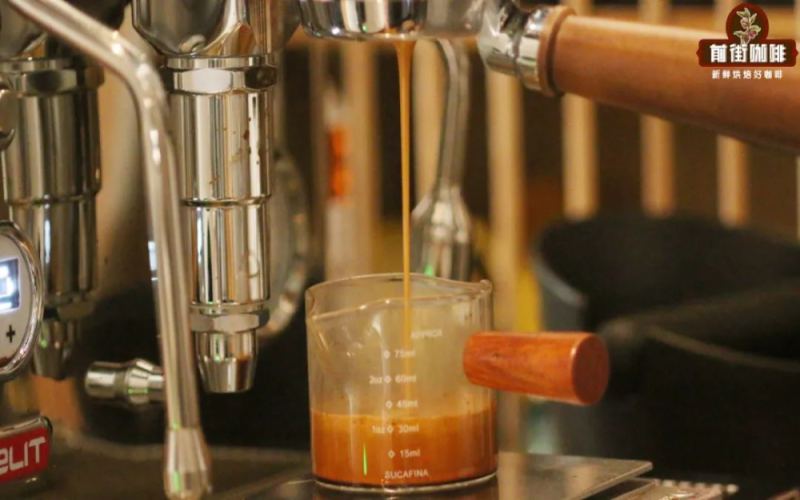
Espresso | What is espresso? How do coffee beginners make espresso? What are the correct ways to drink espresso?
For more specialty coffee knowledge, please follow: Front Street Coffee (Frontsteet Coffee) "How do you drink espresso?" - It has to be downed in one gulp! Don't think this is a joke; espresso really is downed in one gulp! Many friends, when drinking espresso for the first time, might find [more…]